Have you ever thought about how a broken or weak tooth can be made robust and look natural again? Dental crowns are among the most reliable options for restoring the function and appearance of your teeth. Teeth crowns are needed when a tooth is cracked or decayed, or has undergone an extensive dental procedure such as a root canal. Also, a crown is a covering for a tooth that can restore its full function. A dentist in Sherwood Park can help you find out if dental crowns would be the right solution for you.
What Dental Crowns Do for Your Teeth
Dental crowns are custom-made caps that completely cover a damaged tooth. They are designed to:
- Restore chewing ability: Dental crowns in Sherwood Park, AB provide strength to teeth that may otherwise struggle with normal biting and chewing.
- Protect from further damage: By covering weakened teeth, crowns prevent cracking, decay, or additional wear.
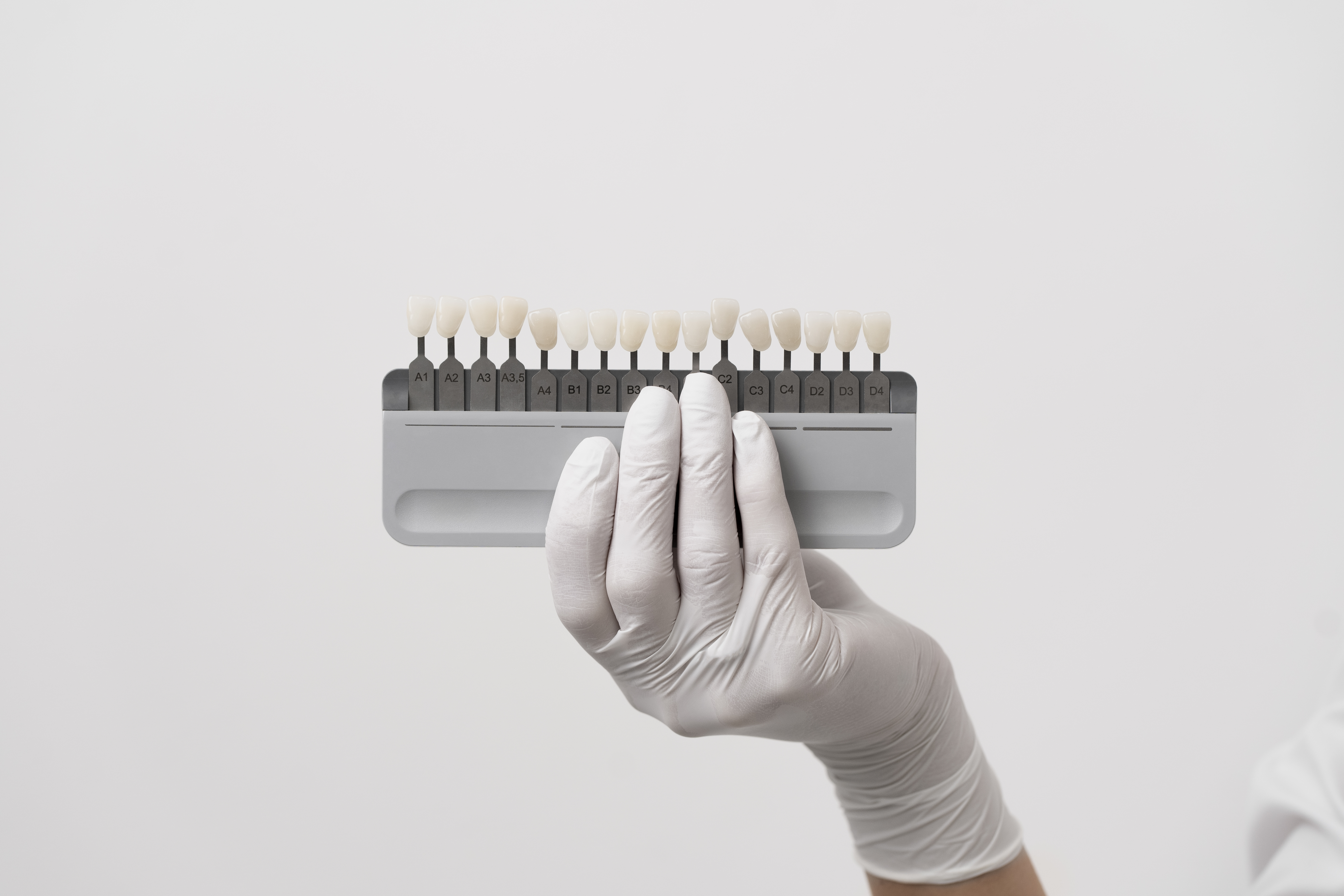
- Improve aesthetics: Crowns can be matched to the colour, shape, and size of your natural teeth, improving the overall appearance of your smile.
- The support of dental surgeries: They help to preserve a tooth after a successful surgery.
Crowns address both structural and cosmetic needs, so patients can return to enjoying their smile and lead a fully functional oral life.
How the Crown Procedure Works
The process for placing a crown is precise and ensures long-lasting results. Typically, the steps include:
- Consultation and examination: Your dentist evaluates the tooth, checks bite alignment, and may take X-rays.
- Tooth preparation: The tooth is reshaped to accommodate the crown.
- Impressions: A mould is made to ensure the crown fits perfectly and matches your natural teeth.
- Temporary crown placement: A temporary crown protects your tooth while the permanent one is made.
- Permanent crown placement: The final crown is cemented into place, restoring function and appearance.
This careful step-by-step process ensures the tooth feels natural and functions properly.
Restoring Function With Dental Crowns
The functional benefits of crowns are significant:
- Chewing and biting: Crowns strengthen damaged teeth so they can chew and bite properly without any discomfort.
- Bite balance: They restore bite balance and achieve flawless alignment.
- Protection of the underlying tooth: Dental crowns near you prevent further decay and fracture of an already compromised underlying tooth.
- Longevity: Crowns can last 10 to 15 years or longer with proper care.
By restoring a tooth’s function, crowns prevent further dental complications and help maintain oral health.
Enhancing Appearance and Smile Aesthetics
Dental crowns help your teeth work better. They also improve how they look. Dental crowns on front teeth are custom-made to match the colour, size, and shape of the teeth next to them. They’re capable of amending.
- Tooth discoloration or staining.
- Chips, cracks, or worn edges.
- Irregularly-shaped or crooked tooth.
Crowns are designed to restore a natural appearance while also providing the necessary function.
Types of Dental Crowns
Crowns are made from various materials depending on the location and purpose:
- Porcelain: A very aesthetic material that is often used for the front teeth.
- Ceramic: Material for any visible tooth, ceramic, durable, natural
- Metal: Extreme, generally for use in back teeth that encounter heavy chewing forces.
- Porcelain-fused-to-metal: Offers beauty and strength suitable for several areas.
Selecting suitable material will help you meet your functional and aesthetic needs.
Caring for Your Dental Crown
After placement, crowns require proper care to last:
- Always clean your teeth and gums daily.
- Do not chew on complex objects, such as ice or pens.
- Schedule a regular check-up with your dentist.
- Report any discomfort or sensitivity immediately.
Consistent oral hygiene helps protect the underlying tooth and allows the crown to function properly.
Restore Your Smile Today!
An attractive smile improves your confidence and your oral health. Dental crowns can restore function to weak, damaged, or worn-out teeth. They also enhance the aesthetic. Book a consultation with Aspire Smiles to discover how crowns can improve your smile and protect your teeth long-term.
FAQs
Can crowns get cavities?
The crown itself can’t decay because it’s made of porcelain, ceramic, or metal. But the tooth underneath can get cavities, especially near the gum line. Brushing, flossing, and regular dental visits help prevent decay.
Are crowns painful?
Most people feel little or no pain because the tooth is numbed. Some mild sensitivity may occur for a few days, but it usually goes away quickly.
How long do crowns last?
Crowns usually last 10–15 years, and sometimes 20 years with good care. How long they last depends on the material, your oral hygiene, and habits such as teeth grinding.
Can crowns be replaced?
Yes. Crowns can be replaced if they are damaged or the underlying tooth has issues. Replacement crowns are made to fit perfectly and restore both look and function.