Are you noticing discomfort or changes in your dental crown? Dental crowns protect damaged teeth and help restore their shape and strength, but they do not last forever. Over time, a crown may wear out, loosen, or become damaged. If you notice these changes, it may be time to visit a dental clinic in Sherwood Park for an evaluation. Knowing the signs that a dental crown needs replacement can help protect your oral health and prevent further problems.
Patients who have received dental crowns in Sherwood Park often enjoy many years of reliable function. Still, knowing when to replace a dental crown is important for maintaining a healthy smile.
What is a Dental Crown?
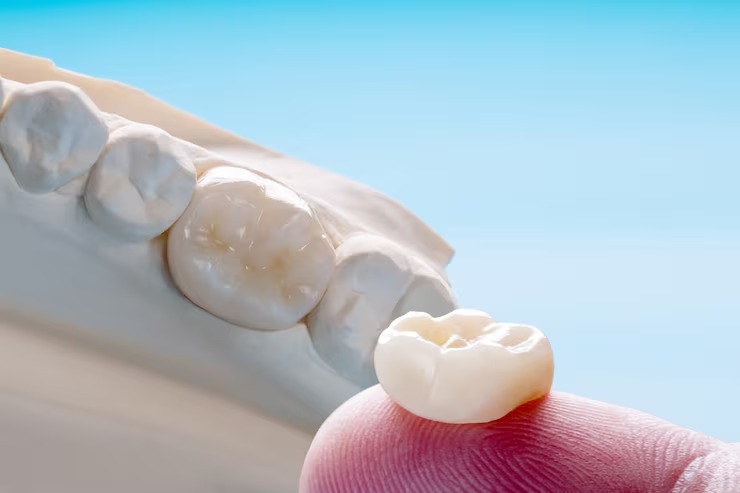
A dental crown is a cap placed over a damaged or weakened tooth. It covers the entire visible part of the tooth above the gum line.
Crowns are used to:
- Protect weak or cracked teeth.
- Restore broken teeth
- Cover dental implants
- Improve the appearance of teeth.
- Support large fillings
Many patients choose dental crowns in Sherwood Park because they offer both protection and a natural look.
How Long Do Dental Crowns Last?
Dental crowns are strong, but they are not permanent, most crowns last 10 to 15 years, depending on oral habits and care.
Factors that affect crown lifespan include:
- Daily brushing and flossing habits
- Teeth grinding or clenching.
- Eating very hard foods
- Regular dental checkups
Even well-maintained crowns may eventually need replacement.
Signs Dental Crown Needs Replacement
Recognizing the early warning signs helps prevent further tooth damage.
Below are the most common signs dental crown needs replacement.
1. Visible Wear or Damage
Crowns can become worn down after years of chewing and grinding.
You may notice:
- Small cracks
- Chips on the crown surface
- Uneven edges
If the crown structure weakens, the tooth underneath may become vulnerable to decay or damage.
2. Pain or Sensitivity
Tooth sensitivity may indicate that the crown is no longer sealing the tooth properly.
You might feel discomfort when:
- Eating hot foods
- Drinking cold beverages
- Biting down on food
This sensitivity may mean the crown is loose or the tooth underneath is exposed.
3. Loose Crown
A crown should fit securely on the tooth. If it begins to feel loose or unstable, it may need to be replaced.
Signs of a loose crown include:
- Movement when chewing
- Food is getting stuck around the crown.
- A noticeable gap near the gumline
A loose crown can allow bacteria to enter and cause decay.
4. Gum Irritation Around the Crown
Healthy gums should fit snugly around a dental crown. If you notice swelling or redness near the crown, it could signal a problem.
Possible symptoms include:
- Gum tenderness
- Bleeding when brushing
- Swelling around the crowned tooth
These signs may indicate the crown no longer fits properly.
5. Dark Line Near the Gumline
Some crowns, especially older metal-based ones, may show a dark line along the gumline.
While this may not always indicate damage, it can affect the appearance of your smile. In some cases, replacing the crown improves both function and aesthetics.
6. Recurring Tooth Decay
Although crowns protect teeth, decay can still occur near the edges.
Signs of decay under a crown include:
- Persistent bad breath
- Pain when biting
- Visible discoloration around the crown
If decay spreads, replacing the crown becomes necessary.
When to Replace a Dental Crown
Knowing when a dental crown needs to be replaced can help prevent bigger dental problems.
A dentist may suggest replacing a crown if:
- The crown is cracked or broken.
- The crown feels loose or does not fit well.
- Tooth decay forms under the crown.
- The crown becomes worn down or thin over time.
- The crown does not look good anymore.
Regular dental checkups help find these problems early and keep your teeth healthy.
Tips to Extend the Life of a Dental Crown
Proper care can help crowns last longer.
Follow these simple habits:
- Brush twice daily with fluoride toothpaste.
- Floss carefully around the crown
- Avoid biting hard foods or ice.
- Wear a night guard if you grind your teeth.
- Visit your dentist regularly for checkups.
These steps help maintain both the crown and the tooth underneath.
How Dentists Replace a Dental Crown
Replacing a crown is usually simple and comfortable.
The process typically includes:
- Removing the old crown
- Cleaning the tooth underneath
- Preparing the tooth for a new crown
- Taking impressions for a custom crown
- Placing the final crown
Modern crowns are designed to match the colour and shape of your natural teeth.
Protect Your Smile with Expert Dental Care!
Keeping your dental crown in good condition helps protect the health of your tooth. If you notice any signs that a dental crown needs replacement, seeking professional care early can prevent bigger problems. At Aspire Smiles, their experienced team provides high-quality care and modern dental crown solutions to restore both comfort and appearance. Schedule a consultation today to keep your smile strong and healthy.
FAQs
Can a dental crown last forever?
No. Most crowns last between 10 and 15 years, depending on care and daily habits.
Is replacing a dental crown painful?
Crown replacement is usually comfortable. Dentists use local anesthesia to ensure a pain-free experience.
What happens if I delay replacing a damaged crown?
Delaying replacement may allow bacteria to enter the tooth, which can lead to decay or infection.
Can a crown be repaired instead of replaced?
Minor damage may sometimes be repaired, but severely worn or loose crowns usually require replacement.