Most people only think about going to the dentist when something hurts. But by the time pain shows up, the problem has usually been growing for a while. Regular dental visits are not just about cleaning your teeth — they are about catching problems early, before they become painful, expensive, and complicated to fix.
If you are looking for a dental clinic in Sherwood Park that supports your whole family’s oral health, making consistent check-ups a priority is one of the best decisions you can make.
What Happens at a Regular Dental Visit?
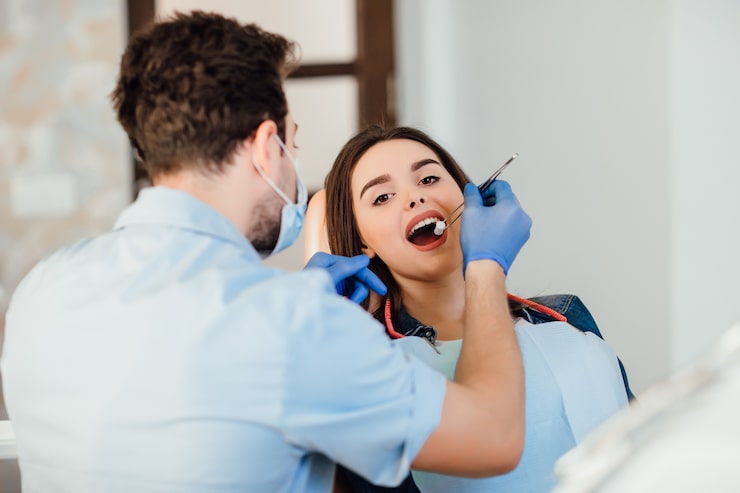
A routine dental visit is more thorough than most people expect. It is not just a quick look and a clean. Your dentist and dental hygienist work together to assess the full picture of your oral health.
A routine visit can involve:
- Scale and polish (using special tools to scrape away the hardened bacteria that you cannot reach with toothbrushes).
- A full mouth of every tooth is examined for any sign of decay or injury.
- An inspection of your gums (a periodontal probe is used to measure the pocketing between teeth and gum.
- X-rays are needed to see what is happening beneath the surface
- An oral cancer screening of the tongue, cheeks, and throat
- A review of any existing dental work, like fillings or crowns
All of this happens in a single appointment, and it gives your dentist a detailed picture of where your oral health stands right now. You can also visit a dental clinic that provides family dental checkup packages.
Gum Disease Prevention Starts With Consistency
One of the most important reasons to visit regularly is gum disease prevention. Gum disease is extremely common—and most people do not know they have it until it has already progressed.
In its early stage, called gingivitis, gum disease causes redness, swelling, and bleeding when you brush or floss. At this stage, it is completely reversible with a professional clean and better home care.
Left untreated, it progresses to a more serious condition called periodontitis. At this point, the bone that holds your teeth in place starts to break down. Teeth can become loose. Treatment becomes more involved, more costly, and more time-consuming.
A routine check-up every six months is the simplest and most effective form of gum disease prevention available.
Oral Infection Prevention
Oral infection prevention is another major benefit of regular dental visits. Infections in the mouth do not always announce themselves with pain right away. A cavity can grow quietly for months before it reaches the nerve. An abscess can develop under the gum without obvious symptoms at first.
When infections are caught early, treatment is simple. A small filling takes minutes. An early-stage abscess can often be treated with antibiotics and a targeted procedure. But when infections are left to grow, they can spread — sometimes beyond the mouth — and require far more intensive treatment to resolve.
Your dentist is trained to spot infections at their earliest stage, often before you feel anything at all.
When Restorations Are Needed
Sometimes regular check-ups reveal that a tooth needs more than a cleaning or a filling. Teeth that are cracked, severely decayed, or weakened after a root canal often need a crown to protect them from further damage.
Patients who visit regularly and need dental crowns in Sherwood Park benefit from catching the problem at a stage where the tooth can still be fully restored. Waiting until the pain becomes unbearable often means the tooth has deteriorated further—making treatment more complex and recovery longer.
Early detection does not just save your teeth. It saves you time, discomfort, and money.
How Often Should You Visit?
For most people, a dental visit every six months is the right schedule. However, some patients benefit from more frequent visits — every three to four months — depending on their situation.
More frequent visits may be recommended if you:
- Have a history of gum disease or frequent cavities
- Have diabetes or another health condition that affects oral health
- Are pregnant
- Have a dry mouth due to medication
- Smoke or use tobacco
A dentist near you will assess your individual risk and recommend the right schedule for your needs. There is no single answer that works for everyone.
The Connection Between Oral Health and Overall Health
Your mouth is connected to the rest of your body in more ways than most people realize. Bacteria from infected gums can enter the bloodstream and contribute to cardiovascular problems. Gum disease has been linked to complications in diabetes, pregnancy, and respiratory health.
Taking care of your teeth and gums is not just about your smile. It is a meaningful part of looking after your overall health.
Start Protecting Your Smile Today — Visit Aspire Dental
Consistent dental care is one of the simplest investments you can make in your long-term health. Whether you are due for a routine visit or have not been in a while, now is always a good time to get back on track.
Our caring team at Aspire Dental offers comprehensive and friendly service for every family member. Schedule your visit and get one step closer to a beautiful, lasting smile!
Frequently Asked Questions
I don’t feel any pain, and my teeth don’t look like they have a problem, so when should I see the dentist?
You should still be visiting your dentist for an examination every six months, even if you don’t feel anything and you think that everything is fine, as many problems can be present and are only picked up during a dental examination and dental X-ray.
How will attending my dental examinations and regular cleaning sessions stop me from developing gum disease?
Yes. Professional cleaning sessions can remove plaque and calculus, which cause gum inflammation. These, in conjunction with regular home hygiene practices, form a highly effective defence against gum disease.
What is the difference between a cleaning and a deep cleaning?
A regular cleaning removes plaque and tartar from the visible surfaces of the teeth and just below the gumline. A deep cleaning — also called scaling and root planing — goes further below the gumline and is used when gum disease has already progressed to a more advanced stage.
Are check-ups important for children as well as adults?
Yes! A child’s first visit should ideally be between the ages of one and when their first tooth has erupted. Regular dental checkups and good habits from childhood not only help catch any developmental problems early on, but they also make it easier for the child to have dental visits.