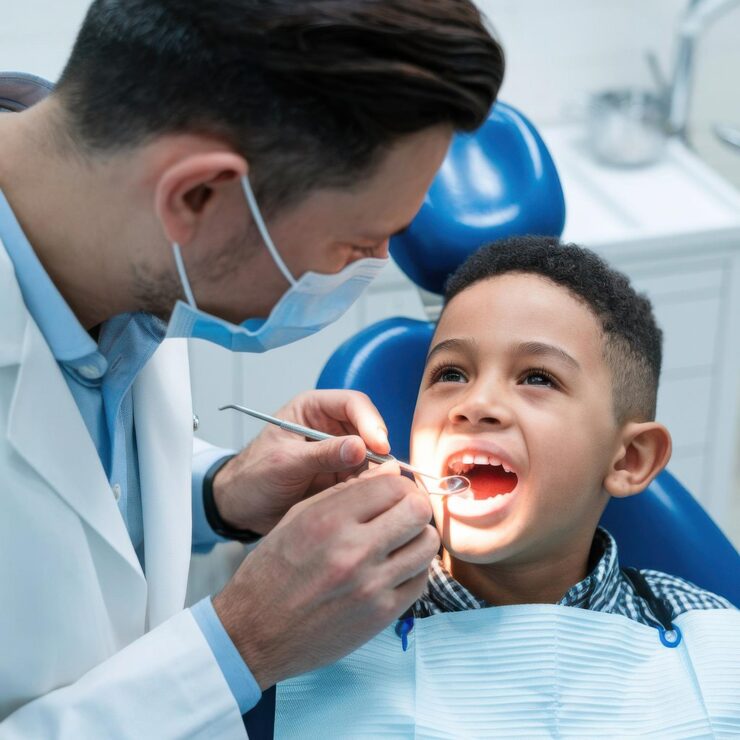
A visit to the dental office can often feel overwhelming for a young child. Unfamiliar sights, unusual sounds, and new faces can easily spark hesitation or full-blown anxiety. However, helping your child feel calm and secure in the dental chair sets the foundation for a lifetime of healthy habits. Partnering with an experienced children’s dentist in Sherwood Park that parents trust helps families turn potential fear into a positive, empowering experience that leaves little ones smiling.
A positive early experience can lower the chances of a child developing dental anxiety for life. And parents can be proactive and supportive at home before every session to turn anxiety into curiosity and self-assurance.
Why Do Children Sometimes Feel Afraid of Visiting the Dentist?
Understanding what causes dental anxiety in young minds is important for effective dental anxiety treatment. Children may feel particularly intimidated in a clinic setting because they receive sensory elements differently than adults do.
- Fear of the Unknown: Bright overhead lights, reclining chairs, and unfamiliar metallic tools can seem confusing or scary to a child who doesn’t know what to expect.
- Loss of Control: Lying back while an adult looks inside their mouth can make young children feel vulnerable or confined.
- Sensory Sensitivity: The taste of strange cleaning pastes, abrupt vibrations, and buzzing devices can all cause sensory overload.
- Absorbed Anxiety: Kids are sensitive to emotional signals. Young children frequently mimic their parents’ or older siblings’ anxiety when it comes to dentist appointments.
How Can Parents Prepare Children for Their First Dental Appointment?
Getting ready beforehand is the most effective way to prevent dental anxiety. By giving your child a clear idea of what to expect, you make the whole experience feel familiar before they ever step through the clinic doors.
Try to schedule visits when your child is rested and fed (not late afternoon, when tiredness can increase stress), the upcoming visit sounds like a regular, everyday thing, not a big deal. When you search for a pediatric dentist, look for a team that welcomes introductory visits. Your child should be able to tour the office, meet the staff, and get comfortable with the surroundings before any actual care begins. A trusting relationship with a gentle dentist in Sherwood Park helps keep the introductory visit calm, upbeat, and unhurried.
What Role Do Positive Language, Books, and Pretend Play Have in Reducing Anxiety?
Engaging, playful preparation helps normalize dental visits in a child’s everyday world. Storytelling and imaginative play allow kids to process new concepts in a safe, familiar setting.
- Encouraging Books & Shows: Watch instructional videos with your favorite characters going to the dentist, or read picture books suitable for your child’s age.
- Interactive Pretend Play: Play “dentist” at home in shifts. Count your child’s teeth with a toothbrush or look at the smile of their favorite stuffed animal.
- Selecting Words Carefully: Use upbeat, non-threatening language.
- Mindful Word Choice: Use upbeat, non-threatening language. Refer to cleaning supplies as “special tooth polishers” or X-ray equipment as a “magic camera,” and steer clear of terms like “pain,” “hurt,” or “shot.”
How Can a Children’s Dentist Make Visits Comfortable for Nervous Children?
Pediatric-focused dental teams specialize in behavioral guidance techniques designed to keep young patients at ease. Their approach goes far beyond clinical procedures, focusing on emotional comfort and building trust.
Using the “Tell-Show-Do” method, team members show the child the equipment, describe each step in kid-friendly terms, and then gently carry out the procedure. Family-friendly clinics often feature welcoming waiting rooms, vibrant décor, and overhead screens for cozy entertainment. Kids might feel proud of their bravery during the appointment when they receive praise, little rewards, and positive reinforcement. When looking for a convenient dental clinic near you, choosing one that specializes in compassionate pediatric care ensures every appointment is encouraging.
How Regular Dental Visits Build Confidence and Healthy Oral Habits
Consistency is the real secret to overcoming dental anxiety. When kids visit every six months, the clinic stops feeling unfamiliar and becomes a predictable, comfortable setting.
Children and their dental team develop a close bond over time through regular, routine preventive visits with a skilled pediatric dentist near you. Children learn that seeing the dentist is a routine, stress-free aspect of maintaining good health when they connect appointments with gentle cleanings, happy grins, and rewards. The foundation for a lifetime habit of good mouth hygiene and self-care is laid by this early self-belief, which carries over into adulthood.
Nurture Your Child’s Healthy Smile Today
By overcoming early dental fear, you can help your child develop healthy habits that will last a lifetime. You may make checkups a simple, stress-free routine by combining home preparation with a helpful dental team and ongoing reinforcement.
At Aspire Smiles, our caring staff is committed to giving each young child a relaxing, comforting experience. Schedule an appointment today to keep your child’s smile healthy and bright.
Frequently Asked Questions
At what age should a child first visit the dentist?
By their first birthday or within six months of the emergence of their first tooth, children should have their first dental appointment. The main goals of early visits are to gently examine your child and make them feel at ease in the chair.
How can I prepare my child for their first dental appointment?
Practice counting teeth when playing pretend at home, read entertaining books about going to the dentist, and speak positively and reassuringly when talking about the appointment.
What should I do if my child cries or refuses to open their mouth?
Try to remain calm and patient. Children’s dental teams deal with nervous tears every day and are experts at using soft, encouraging techniques to comfort and redirect cautious kids without pressuring them.
Can a children’s dentist help with dental anxiety?
Yes. Children’s dentists use quiet environments, kid-friendly explanations, and specialized communication approaches to help nervous patients feel less frightened and build long-lasting trust.
How often should children visit the dentist?
Children should visit the dentist every six months for routine examinations and professional cleanings to maintain healthy smiles and monitor developing teeth.